Friday, October 25, 2024

5 Reasons You Need an Annual Maintenance Contract for Your Process and High-Purity Equipment


  1. Ensured Compliance with Regulatory Standards: In industries such as pharmaceuticals and biotechnology, compliance with stringent regulatory standards is crucial. An Annual Maintenance Contract (AMC) ensures that your process and high-purity equipment are regularly inspected, calibrated, and maintained to meet the necessary guidelines. This helps prevent costly compliance issues, audits, and potential fines, safeguarding your reputation and operational integrity.

  2. Minimized Downtime and Increased Productivity: Equipment failure can lead to significant downtime, disrupting production schedules and affecting overall productivity. An AMC includes routine maintenance checks and prompt repairs, significantly reducing the likelihood of unexpected breakdowns. By keeping your equipment in optimal condition, you can maintain continuous operation and meet production targets more effectively.

  3. Cost-Effective Solution for Maintenance: An AMC provides a predictable maintenance budget, allowing you to avoid unexpected repair costs that can arise from equipment failures. Many contracts offer fixed rates for parts and labor, making it easier to manage financial planning. Additionally, regular maintenance often extends the lifespan of your equipment, reducing the need for costly replacements over time.

  4. Expertise and Technical Support: With an AMC, you gain access to skilled technicians and industry experts who understand the intricacies of your process and high-purity equipment. Their expertise ensures that maintenance tasks are performed correctly, using best practices that enhance equipment performance and reliability. This specialized support can also help identify potential issues before they become major problems, contributing to overall operational efficiency.

  5. Improved Performance and Efficiency: Regular maintenance through an AMC enhances the performance of your process and high-purity equipment. Clean and well-maintained systems operate more efficiently, leading to better product quality and reduced waste. This optimization not only improves output but also helps in achieving sustainability goals by minimizing energy consumption and resource use.

In conclusion, investing in an Annual Maintenance Contract for your process and high-purity equipment is a proactive strategy that ensures compliance, minimizes downtime, and enhances overall performance. By partnering with experienced service providers, you can safeguard your operations and contribute to the long-term success of your business.

Tuesday, October 22, 2024

Purified Water Storage and Distribution System

Purified Water Storage and Distribution Systems play a crucial role in various industries, particularly in pharmaceuticals, healthcare, and food production. These systems are designed to ensure the safe and efficient storage, handling, and distribution of purified water, which is essential for manufacturing processes, laboratory experiments, and critical applications where water quality is paramount.

Design and Components

The design of a purified water storage and distribution system is based on specific industry standards and regulations. Key components of these systems include:

  1. Storage Tanks: Typically constructed from stainless steel or other suitable materials, storage tanks are designed to hold purified water under controlled conditions. The tanks are equipped with features to prevent contamination, such as sealed lids and ventilation systems.

  2. Distribution Pumps: These pumps ensure that purified water is delivered at the required pressure and flow rate to various points of use. They are designed for reliability and efficiency, often featuring variable speed drives to optimize energy consumption.

  3. Piping Systems: The piping used in these systems must be smooth, non-reactive, and designed to minimize biofilm formation. Materials like stainless steel or high-density polyethylene (HDPE) are commonly used to ensure the integrity of the water supply.

  4. Control Systems: Automation and control systems play a vital role in monitoring and managing the storage and distribution of purified water. These systems include sensors for flow, temperature, and pressure, along with automated valves and control panels that ensure efficient operation.

Quality Assurance

Maintaining water quality is a primary concern in the storage and distribution of purified water. Regular monitoring and testing are essential to detect any contaminants or changes in water quality. This is achieved through:

  • Microbial Testing: Routine sampling and analysis for microbial contaminants are essential to ensure the water remains free from pathogens.

  • Chemical Analysis: Testing for chemical contaminants, such as heavy metals or residual disinfectants, is performed to confirm compliance with industry standards.

  • System Validation: A comprehensive validation process is conducted to confirm that the storage and distribution system consistently delivers purified water meeting specified quality standards.

Regulatory Compliance

Purified water systems must adhere to strict regulatory requirements set forth by organizations such as the U.S. Pharmacopeia (USP) and the European Medicines Agency (EMA). These regulations dictate the design, operation, and maintenance of purified water systems, ensuring they meet the highest quality and safety standards.

Conclusion

SWJAL PROCESS Pvt. Ltd. is a leading manufacturer of Purified Water Storage and Distribution Plant Manufacturers in Mumbai, India, providing tailored solutions to meet the specific needs of various industries. A well-designed Purified Water Storage and Distribution System is essential for ensuring the availability of high-quality water in critical applications. By focusing on quality assurance, regulatory compliance, and efficient design, industries can effectively meet their water needs while safeguarding public health and maintaining product integrity.


Understanding Pure Steam and Its Quality Requirements

Pure steam is a critical component used in various processes, including sterilization, equipment cleaning, and as a heating medium. The quality of steam generated directly impacts product safety, compliance with regulatory standards, and overall operational efficiency. Therefore, selecting the right machinery for pure steam generation is essential for pharmaceutical manufacturers. This article outlines key considerations to help guide the selection process.

Understanding Pure Steam

Before delving into machinery selection, it’s essential to understand what pure steam is. Pure steam is produced from purified water and is free from contaminants, including particulate matter, dissolved solids, and microorganisms. It must meet stringent quality standards as specified by organizations like the U.S. Pharmacopeia (USP) and the European Pharmacopeia.

Key Considerations for Machinery Selection

1. Compliance with Regulatory Standards

The pharmaceutical industry is governed by stringent regulations regarding equipment and processes. Therefore, the machinery used for pure steam generation must comply with relevant standards, including:

  • GMP (Good Manufacturing Practice): Ensures that products are consistently produced and controlled to quality standards.
  • FDA Guidelines: Compliance with FDA regulations regarding the production of pharmaceutical products is mandatory.
  • USP Standards: The equipment must produce steam that meets USP criteria for purity.

2. Type of Steam Generation System

Different types of steam generation systems can be employed in pharmaceutical manufacturing, each with its advantages and considerations:

  • Steam Boilers: Conventional steam boilers can produce pure steam when equipped with proper purification systems. They are widely used in larger facilities but may require careful monitoring to ensure purity.

  • Electric Steam Generators: These systems generate steam directly from electricity, offering precise control over steam quality and temperature. They are ideal for applications with lower steam demands.

  • Continuous Flow Steam Generators: These generators produce steam on demand and are designed to maintain consistent quality, making them suitable for various pharmaceutical applications.

3. Water Quality and Treatment

The quality of water used to generate pure steam is critical. A robust water treatment system should be in place to ensure the feedwater is free from impurities. Consider the following:

  • Reverse Osmosis (RO) Systems: RO systems effectively remove dissolved solids and contaminants from water, ensuring high-purity feedwater for steam generation.
  • Electrodeionization (EDI): EDI technology can provide ultra-pure water by removing ionic contaminants without the use of chemicals.
  • Pre-treatment Options: Implementing additional filtration or softening systems may be necessary, depending on the water source quality.

4. Capacity and Demand

It is crucial to assess the steam capacity required for your specific applications. Understanding the peak steam demand will help determine the appropriate machinery size and type:

  • Flow Rate: Calculate the required flow rate of steam based on your manufacturing processes to ensure the selected system can meet peak demands.
  • Storage Needs: Consider if additional storage for steam is necessary to accommodate fluctuations in demand.

5. Efficiency and Energy Consumption

Efficiency in steam generation directly correlates with operational costs. Selecting energy-efficient machinery can lead to significant savings in energy consumption and lower operational costs:

  • Boiler Efficiency Ratings: Check the efficiency ratings of steam boilers and choose models that meet or exceed industry standards.
  • Heat Recovery Systems: Implementing systems that recover waste heat from steam generation can further enhance overall efficiency.

6. Maintenance and Reliability

The reliability of the machinery is paramount, as any downtime can affect production schedules and product quality. Consider the following:

  • Ease of Maintenance: Look for equipment designed for easy access to components for routine maintenance and repairs.
  • Supplier Support: Choose manufacturers that provide comprehensive support, including training, troubleshooting, and spare parts availability.

7. Scalability and Future Needs

Consider the potential for future expansion and changes in production demands. Select machinery that allows for scalability without requiring complete replacement as your needs evolve.

8. Cost Considerations

While initial purchase costs are important, it’s essential to consider the total cost of ownership (TCO), which includes installation, maintenance, energy consumption, and potential operational savings. Conduct a thorough cost analysis to identify the best value.

Conclusion

Selecting the right machinery for pure steam generation in pharmaceutical manufacturing is a multifaceted process that requires careful consideration of regulatory compliance, water quality, capacity, efficiency, and maintenance. By focusing on these key factors, pharmaceutical manufacturers can ensure they choose the best equipment to produce high-quality pure steam, contributing to the safety and efficacy of their products. Investing in the right machinery not only enhances operational efficiency but also ensures adherence to the stringent standards of the pharmaceutical industry, ultimately safeguarding patient health.

Addressing Water Usage Challenges in Pharmaceuticals: SWJAL PROCESS’s Innovative Solutions for Safety and Purity

 In the pharmaceutical industry, water is not just a basic resource; it is a crucial component that impacts the safety and quality of pharmaceutical products. As regulatory standards become stricter and the demand for high-purity water rises, companies face significant challenges in managing water usage effectively. SWJAL PROCESS Pvt. Ltd. is committed to addressing these challenges with innovative solutions that ensure the safety and purity of water used in pharmaceutical manufacturing. This article explores the common water usage challenges in pharma and how SWJAL PROCESS is positioned to provide effective solutions.

Understanding Water Usage Challenges in Pharma

1. Compliance with Regulatory Standards

Pharmaceutical companies must adhere to stringent regulatory standards set by organizations such as the FDA and EMA. These standards dictate the quality of water used in drug production, making it essential to monitor and maintain water purity.

2. Risk of Contamination

Contaminated water can pose serious risks, including product recalls and potential harm to patients. Ensuring that water remains free from microbial contamination and chemical residues is a continuous challenge.

3. Resource Management

Efficient water usage is essential for sustainability and cost management. Many pharmaceutical facilities struggle with optimizing water consumption while maintaining quality standards.

4. Aging Infrastructure

Older water treatment systems may not effectively meet modern regulatory requirements or production demands, leading to inefficiencies and increased risks.

SWJAL PROCESS: Innovative Solutions for Water Challenges

SWJAL PROCESS Pvt. Ltd. is dedicated to providing state-of-the-art water purification solutions that meet the specific needs of the pharmaceutical industry. Here’s how SWJAL PROCESS addresses these challenges:

1. Advanced Water Treatment Systems

SWJAL PROCESS offers a range of advanced water treatment systems, including Reverse Osmosis (RO), Electrodeionization (EDI), and Ultraviolet (UV) purification. These technologies ensure the production of high-purity water compliant with regulatory standards.

  • RO Systems: Effectively remove dissolved salts and contaminants, producing water with low Total Dissolved Solids (TDS).
  • EDI Systems: Provide continuous deionization, ensuring consistent water quality without the need for chemical regenerants.
  • UV Purification: Eliminates microorganisms, ensuring microbiological safety in water used for pharmaceutical processes.

2. Comprehensive Water Monitoring Solutions

To ensure compliance and purity, SWJAL PROCESS integrates advanced monitoring solutions that provide real-time data on water quality parameters such as conductivity, microbial counts, and chemical residues.

  • Automated Monitoring: Real-time data collection allows for quick identification and resolution of potential issues, ensuring continuous compliance.
  • Data Logging: Comprehensive documentation supports regulatory compliance and facilitates audits.

3. Customized Water Management Strategies

Recognizing that each pharmaceutical facility has unique needs, SWJAL PROCESS collaborates with clients to develop tailored water management strategies that optimize resource use and ensure safety.

  • Site Assessments: Detailed evaluations of existing water systems help identify areas for improvement and customization.
  • Training Programs: SWJAL PROCESS provides training for personnel on best practices for water management and system maintenance, ensuring effective operation.

4. Upgrading Aging Infrastructure

For facilities facing challenges with outdated water treatment systems, SWJAL PROCESS offers modernization solutions. By upgrading existing infrastructure, companies can enhance efficiency and reduce risks associated with aging systems.

  • Retrofitting Solutions: Existing systems can be retrofitted with advanced technologies to improve performance and compliance.
  • Complete System Replacement: In cases where upgrades are not feasible, SWJAL PROCESS can design and implement new, state-of-the-art water treatment systems.

5. Commitment to Sustainability

SWJAL PROCESS prioritizes sustainability in its water treatment solutions. By optimizing water usage and implementing eco-friendly practices, the company helps pharmaceutical manufacturers reduce their environmental footprint.

  • Water Reuse Systems: Innovative solutions for recycling and reusing water within the facility minimize waste and enhance resource efficiency.
  • Energy-Efficient Technologies: Implementing energy-saving technologies contributes to overall sustainability efforts in water management.

Conclusion

In the pharmaceutical industry, effective management of water usage is crucial for ensuring safety, compliance, and product quality. SWJAL PROCESS Pvt. Ltd. is dedicated to solving the water challenges faced by pharmaceutical manufacturers through advanced treatment systems, comprehensive monitoring solutions, and customized strategies. By partnering with SWJAL PROCESS, pharmaceutical companies can not only ensure the purity of their water supply but also enhance operational efficiency and sustainability. Through these efforts, SWJAL PROCESS plays a vital role in supporting the pharmaceutical industry in delivering safe and effective products to patients.

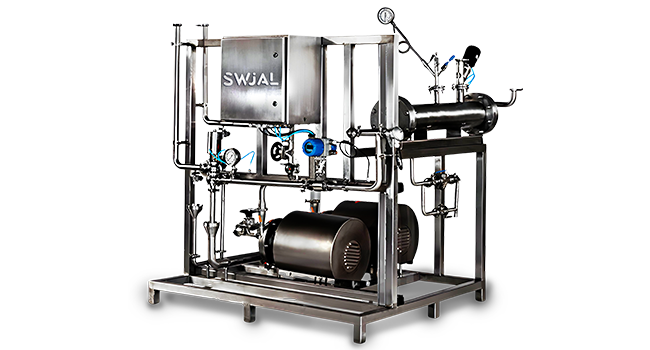
How to Choose the Best Bio-Kill Tank System

When it comes to the pharmaceutical and biotech industries, ensuring the integrity and sterility of water used in processes is paramount. A Bio-Kill Tank System plays a crucial role in this regard by treating water to eliminate any potential microbial contamination. However, selecting the right Bio-Kill Tank System can be a daunting task due to the variety of options available on the market. This guide aims to provide essential factors to consider when choosing the best Bio-Kill Tank System for your facility.

1. Understand Your Water Quality Requirements

Before selecting a Bio-Kill Tank System, it is vital to assess your specific water quality requirements. Different applications may have varying standards for microbial counts and overall water purity. Understanding these requirements will guide you in choosing a system that meets your facility’s specific needs.

Key Considerations:

  • Microbial Limits: Determine the acceptable levels of microbial contamination for your processes.
  • Water Source: Identify the quality of the source water, as this will influence the treatment process.

2. Evaluate the Treatment Method

Bio-Kill Tank Systems employ various methods to eliminate microorganisms. Common methods include:

  • Chemical Treatment: This method uses biocides such as chlorine or hydrogen peroxide to kill microbes. While effective, care must be taken to manage residual chemicals in the water.
  • Ultraviolet (UV) Radiation: UV systems use light to disrupt the DNA of microorganisms, rendering them inactive. UV systems are effective for non-chemical treatment and do not leave residuals.
  • Ozone Treatment: Ozone is a powerful oxidant that can effectively kill a wide range of microorganisms. Ozone treatment is also environmentally friendly as it decomposes back into oxygen.

Recommendation:

Choose a treatment method that aligns with your facility's operational practices and regulatory compliance.

3. Assess System Size and Capacity

The size and capacity of the Bio-Kill Tank System are crucial factors to consider. Ensure the system can handle your facility’s maximum flow rates and meets your production demands without compromising water quality.

Key Points:

  • Flow Rate: Evaluate the flow rate required for your processes to ensure the system can handle peak demands.
  • Tank Volume: Consider the volume of the tank based on the amount of water that needs to be treated.

4. Look for Customization Options

Each facility has unique requirements, so look for a Bio-Kill Tank System that offers customization options. This can include tank size, treatment methods, control systems, and integration with existing water treatment systems.

Benefits of Customization:

  • Tailored solutions that meet specific process needs.
  • Improved efficiency in water treatment operations.
  • Enhanced flexibility for future expansions or changes in processes.

5. Evaluate Maintenance and Support

Regular maintenance is crucial for the optimal performance of any water treatment system. When choosing a Bio-Kill Tank System, consider the following:

  • Ease of Maintenance: Systems should be designed for easy access to critical components to facilitate routine checks and servicing.
  • Supplier Support: Look for suppliers that provide comprehensive support, including training, troubleshooting, and maintenance services.

6. Consider Regulatory Compliance

In the pharmaceutical industry, compliance with regulatory standards is non-negotiable. Ensure that the Bio-Kill Tank System you select complies with relevant regulations, such as the U.S. Pharmacopeia (USP) and Good Manufacturing Practices (GMP).

Key Compliance Points:

  • Verify that the system is validated according to regulatory guidelines.
  • Ensure that the treatment method is approved for the intended application.

7. Analyze Cost vs. Value

While cost is an important factor, it should not be the sole criterion for selection. Analyze the overall value offered by the Bio-Kill Tank System, considering factors such as efficiency, longevity, and reliability.

Cost Considerations:

  • Initial Investment: Evaluate the upfront cost of the system.
  • Operational Costs: Consider ongoing maintenance, chemical costs, and energy consumption.
  • Return on Investment (ROI): Assess the potential savings and benefits that the system can deliver over time.

8. Research Supplier Reputation

Finally, research the reputation of suppliers and manufacturers of Bio-Kill Tank Systems. Choose suppliers with a proven track record of quality, reliability, and customer satisfaction.

Steps to Evaluate Suppliers:

  • Customer Reviews: Look for testimonials and case studies from existing customers.
  • Industry Experience: Choose suppliers with extensive experience in the pharmaceutical and biotech industries.
  • Support Services: Assess the availability and quality of customer support.

Conclusion

Choosing the best Bio-Kill Tank System requires careful consideration of various factors, including water quality requirements, treatment methods, system size, and compliance with regulations. By following the guidelines outlined in this article, you can make an informed decision that aligns with your facility's needs, ensuring the integrity and safety of your water treatment processes. Investing in a reliable and efficient Bio-Kill Tank System will ultimately contribute to the success of your operations in the pharmaceutical and biotech industries.

Pure Steam Generators Explained: Why They’re Essential for Quality and Compliance in Pharma

Pure steam generators (PSGs) are critical components in various industries, particularly in pharmaceuticals, biotechnology, and healthcare. They produce pure steam that meets stringent purity standards, making it ideal for sterilization and other applications requiring high-quality steam. This guide will delve into how pure steam generators work and why they are essential for maintaining quality and safety standards in critical processes.

What is a Pure Steam Generator?

A pure steam generator is a specialized piece of equipment designed to produce steam that is free from contaminants, including particulate matter, bacteria, and non-condensable gases. This steam is utilized in various applications, such as sterilization, humidification, and pharmaceutical manufacturing. PSGs are engineered to meet specific industry standards, including the requirements set forth by the U.S. Pharmacopeia (USP) and other regulatory bodies.

How Does a Pure Steam Generator Work?

The operation of a pure steam generator can be summarized in several key steps:

  1. Feedwater Treatment:

    • The process begins with the treatment of feedwater to ensure that it meets the required purity standards. Typically, deionized water is used, as it contains minimal impurities that could compromise the quality of the steam produced.
  2. Heating:

    • The treated feedwater is then heated in a heat exchanger or boiler. This heating can be achieved through various means, including electric heating elements or steam from an external source. The goal is to raise the temperature of the water until it transitions into steam.
  3. Steam Generation:

    • As the water reaches its boiling point, it converts into steam. In a pure steam generator, this steam is produced in a controlled environment to prevent the introduction of contaminants. The design of the system ensures that only steam is produced, with no liquid water carried over.
  4. Purification:

    • To achieve the highest level of purity, the generated steam may pass through additional purification systems, such as filters or condensate return systems. This ensures that any impurities or contaminants are removed before the steam is utilized in processes.
  5. Distribution:

    • The pure steam is then distributed to various points of use within the facility, such as sterilizers, process equipment, or humidifiers. The distribution system is designed to maintain the quality of the steam, preventing contamination during transit.

Why Do You Need a Pure Steam Generator?

  1. Ensures Compliance with Regulatory Standards:

    • In industries such as pharmaceuticals and healthcare, compliance with regulatory standards is critical. Pure steam generators help organizations meet stringent quality requirements, ensuring that products are safe and effective.
  2. Improves Sterilization Processes:

    • Pure steam is essential for sterilizing medical instruments and pharmaceutical products. The high temperature and moisture content of pure steam effectively kill bacteria, viruses, and other pathogens, reducing the risk of healthcare-associated infections (HAIs).
  3. Enhances Product Quality:

    • Using pure steam in manufacturing processes ensures that products are free from contaminants. This is particularly important in pharmaceutical and biotech applications, where product purity is paramount.
  4. Increases Efficiency:

    • Pure steam generators can operate continuously, providing a reliable source of steam for various applications. This efficiency reduces downtime and enhances productivity in manufacturing processes.
  5. Versatility:

    • PSGs are versatile and can be used in various applications beyond sterilization, including humidification, food processing, and cleaning. Their adaptability makes them valuable assets in diverse industries.
  6. Cost-Effectiveness:

    • While the initial investment in a pure steam generator may be significant, the long-term benefits in terms of efficiency, reduced waste, and compliance can lead to substantial cost savings.

Conclusion

A pure steam generator is an essential piece of equipment for organizations operating in industries where quality and safety are critical. By understanding how PSGs work and their importance in various applications, organizations can make informed decisions about their manufacturing processes. Implementing a pure steam generator not only ensures compliance with regulatory standards but also enhances product quality, improves efficiency, and ultimately contributes to better patient outcomes in healthcare settings. Investing in a pure steam generator is a step toward ensuring the safety and efficacy of products in an increasingly demanding industry.

Pure Steam in Healthcare: The Power Behind Sterility, Safety, and Sustainability

What is Pure Steam? 

Pure steam, often referred to as sterile steam, plays a crucial role in the healthcare sector, particularly in sterilization processes, equipment cleaning, and patient care. Its unique properties and advantages make it an invaluable resource in hospitals, laboratories, and pharmaceutical manufacturing. This article explores the cool applications of pure steam in healthcare and highlights the benefits it brings to the industry.

What is Pure Steam?

Pure steam Generator Plant is steam that is free from impurities, contaminants, and non-condensable gases. It is produced through a carefully controlled process that ensures the steam’s purity, making it ideal for applications that require high levels of sterility. The use of pure steam in healthcare is essential for maintaining safety and quality standards in patient care and medical procedures.

Applications of Pure Steam in Healthcare

  1. Sterilization of Medical Equipment:

    • Autoclaving: Pure steam is widely used in autoclaves for sterilizing surgical instruments, laboratory tools, and medical devices. The high temperature and pressure of the steam effectively kill bacteria, viruses, and other pathogens, ensuring that equipment is safe for use in surgical and clinical settings.
    • Sterilization of Textiles: Surgical gowns, drapes, and other textiles are sterilized using pure steam to eliminate contamination and ensure a sterile environment during procedures.
  2. Cleaning and Disinfection:

    • Steam Cleaning: Pure steam is employed in cleaning hospital surfaces, floors, and equipment. The high temperature of the steam effectively removes dirt, grime, and biofilms, reducing the risk of healthcare-associated infections (HAIs).
    • Heat-sensitive Equipment: For equipment that cannot withstand harsh chemical disinfectants, pure steam provides an effective alternative for disinfection without causing damage.
  3. Pharmaceutical Production:

    • Pure Steam for Manufacturing: In the pharmaceutical industry, pure steam is utilized for the sterilization of production equipment and in processes that require a sterile environment, such as the manufacturing of injectable medications. This ensures the integrity and safety of pharmaceutical products.
    • WFI Generation: Pure steam is often used in the generation of Water for Injection (WFI), which is essential for pharmaceutical formulations and intravenous solutions.
  4. Steam Inhalation Therapy:

    • Patient Care: Pure steam is used in inhalation therapies for patients with respiratory conditions. The steam helps to soothe airways, reduce congestion, and enhance the delivery of medications, improving patient comfort and recovery.
  5. Food Safety:

    • Sterilization in Healthcare Facilities: In healthcare facilities that provide food services, pure steam is used to sterilize kitchen equipment and prepare food safely, ensuring that meals served to patients are free from contaminants.

Benefits of Pure Steam in Healthcare

  1. High Efficacy in Sterilization:

    • Pure steam's ability to reach high temperatures ensures that it can effectively kill a wide range of microorganisms, including resistant spores, providing a high level of assurance for patient safety.
  2. Environmentally Friendly:

    • Unlike chemical sterilants that can leave harmful residues, pure steam is non-toxic and environmentally friendly. It condenses back into water, leaving no harmful byproducts, making it safe for both patients and the environment.
  3. Cost-Effectiveness:

    • While the initial setup for pure steam systems may require investment, the long-term savings associated with reduced equipment damage, lower chemical use, and enhanced efficiency make it a cost-effective solution for healthcare facilities.
  4. Improved Patient Safety:

    • By ensuring that all instruments and surfaces are sterile, pure steam significantly reduces the risk of HAIs, thereby improving overall patient outcomes and safety.
  5. Versatility:

    • Pure steam can be utilized in various applications, from sterilization to cleaning and patient care, making it a versatile solution for healthcare facilities.

Conclusion

The magic of pure steam Generator Plant in healthcare lies in its versatility, effectiveness, and safety. From sterilizing medical equipment to enhancing patient care through inhalation therapy, pure steam proves to be an essential component in maintaining high standards of hygiene and safety in healthcare settings. By embracing pure steam technologies, healthcare facilities can ensure that they provide the best care for their patients while promoting a clean and safe environment. The benefits of pure steam extend beyond immediate applications, supporting long-term health outcomes and environmental sustainability in the healthcare industry.

Types of Mixing Tanks with Agitator and Their Uses

Introduction Mixing tanks with agitators are essential equipment used across industries like pharmaceuticals, chemicals, and food & bev...