Showing posts with label Industrial Purified Water Storage and Distribution Systems. Show all posts

Friday, February 20, 2026

Why High-Purity Water Is Critical in the Pharmaceutical Industry

Water is the backbone of pharmaceutical manufacturing. From formulation and granulation to cleaning, sterilization, and laboratory testing, high-purity water is used at almost every stage of production. The importance of purified water in the pharmaceutical industry cannot be overstated, as even minor contamination can compromise product safety, regulatory compliance, and brand reputation.

Role of Water in Pharmaceutical Manufacturing

Pharmaceutical facilities typically require different grades of water, including Purified Water (PW), Water for Injection (WFI), and clean steam. These water grades are produced using advanced pharmaceutical water systems that include pretreatment, Reverse Osmosis (RO), Electrodeionization (EDI), ultrafiltration, and thermal distillation.

Water acts as:

  • A solvent in formulations

  • A cleaning agent for equipment

  • A raw material in injectable products

  • A medium for laboratory testing

Because water directly contacts products and equipment, its quality directly affects drug efficacy and patient safety.

Major Concerns Due to Poor Water Quality

  1. Microbial Contamination
    Poorly designed or maintained water systems can harbor biofilms. Microbial contamination may lead to batch rejection, product recalls, and regulatory warnings.

  2. Endotoxin Presence
    In injectable drug manufacturing, endotoxins from gram-negative bacteria pose serious risks. Without proper WFI systems, endotoxin levels can exceed pharmacopeial limits.

  3. Chemical Impurities
    Excess conductivity, TOC (Total Organic Carbon), or heavy metals can compromise product stability and shelf life.

  4. Regulatory Non-Compliance
    Agencies like US FDA, WHO, and EU GMP require strict monitoring and validation of pharmaceutical water systems. Non-compliance can result in warning letters or production shutdown.

Importance of a Validated Pharmaceutical Water System

A well-designed and validated pharmaceutical water system ensures:

  • Consistent water quality

  • Continuous circulation to prevent stagnation

  • Sanitization (thermal or chemical)

  • Automated monitoring of critical parameters

Validation includes Installation Qualification (IQ), Operational Qualification (OQ), and Performance Qualification (PQ). Regular sampling and microbial monitoring are essential for maintaining compliance.

Business Impact of Water System Failures

Bad water supply or poorly maintained plants can cause:

  • Production downtime

  • High operational costs

  • Increased maintenance expenses

  • Loss of client trust

For pharmaceutical manufacturers, water quality is not just a technical requirement—it is a strategic business priority.

Conclusion

The importance of purified water in pharmaceutical industry operations extends far beyond compliance. It ensures patient safety, regulatory approval, and long-term brand credibility. Investing in a high-performance pharmaceutical water system is not an expense—it is a necessity for sustainable growth.

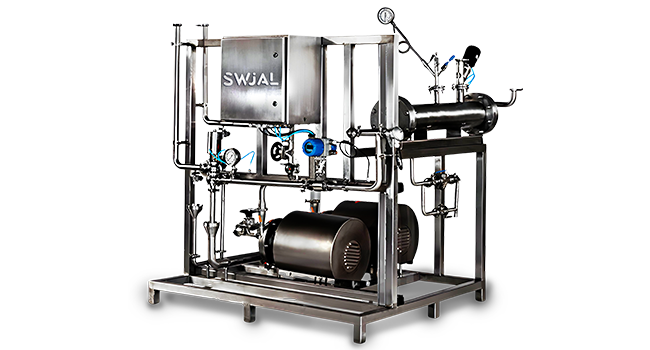
Wednesday, November 27, 2024

Purified Water Storage and Distribution Plant Manufacturers: Key Considerations for Selection

In industries such as pharmaceuticals, cosmetics, and food processing, maintaining the purity of water is paramount. The quality of water used in production processes significantly impacts the safety and efficacy of the end products. This necessity has elevated the demand for high-quality Purified Water Storage and Distribution Plants, designed to maintain water purity throughout storage and delivery. However, selecting the right manufacturer for these systems requires careful evaluation. This article outlines the essential factors to consider when choosing a reliable manufacturer and the long-term benefits of making an informed choice.

The Role of Purified Water Systems in Critical Industries

Purified water systems are the backbone of processes that require contamination-free environments. Whether it is blending pharmaceutical ingredients, manufacturing cosmetics, or processing food products, the water used must adhere to stringent quality standards. Impurities in water can lead to compromised product quality, regulatory issues, or even public health concerns. Purified Water Storage and Distribution Plants ensure that water remains uncontaminated and meets global quality standards such as USP, EP, and WHO GMP.

Key Factors in Selecting the Right Manufacturer

Experience and Expertise

Manufacturers with extensive experience in the industry are better equipped to handle complex requirements. Their expertise in designing systems for pharmaceutical-grade purified water ensures that every component meets regulatory standards.

Ask for client references and past projects.

Look for specialization in industries with high purity demands.

Technology and Innovation

Advanced technologies like continuous loop purified water systems are now industry standards. These systems prevent stagnation, reduce contamination risks, and ensure a consistent supply of purified water. Leading manufacturers integrate additional features such as:

UV sterilization systems to eliminate microbial growth.

Automation and PLC-based controls for real-time monitoring and operational efficiency.

Regulatory Compliance

Ensuring compliance with international standards is non-negotiable. Manufacturers should demonstrate their ability to meet:

US Pharmacopeia (USP) requirements for water purity.

European Pharmacopoeia (EP) and other industry-specific guidelines.

Additionally, proper validation documentation and testing services should be provided to ensure regulatory audits are seamless.

Material Selection and Design

The materials used in the construction of storage tanks and distribution systems play a crucial role in maintaining water quality. Stainless steel, particularly 316L grade, is the preferred material due to its corrosion resistance and hygienic properties.

Look for manufacturers offering hygienic water storage and distribution systems with electro-polished finishes.

Consider modular designs that allow for future scalability.

After-Sales Support and Maintenance

A robust support system is vital for the long-term efficiency of purified water systems. Manufacturers should offer comprehensive after-sales services, including:

  • Regular maintenance and calibration.
  • Troubleshooting support and system upgrades.
  • Training for operational staff to ensure smooth day-to-day functioning.
  • Benefits of Partnering with Trusted Manufacturers

Working with a reputed manufacturer of Purified Water Storage and Distribution Plants delivers numerous advantages.

Enhanced Operational Efficiency

High-quality systems reduce downtime, lower maintenance costs, and optimize water usage, translating to significant cost savings over time.

Regulatory Peace of Mind

Systems designed by experienced manufacturers ensure compliance with all necessary regulations, helping businesses avoid legal penalties and maintain market credibility.

Custom Solutions for Unique Needs

Leading manufacturers provide tailored solutions to meet the specific needs of diverse industries. Whether it’s a compact system for a cosmetics company or a high-capacity distribution network for a pharmaceutical plant, customization ensures optimal performance.

Conclusion

The decision to invest in a Purified Water Storage and Distribution Plant is a crucial one that affects product quality, operational efficiency, and compliance. Choosing a manufacturer with expertise, advanced technologies, and a commitment to quality ensures that the system meets the stringent demands of your industry. Trusted manufacturers also offer long-term support, ensuring the system operates flawlessly throughout its lifecycle.

SWJAL Process is a leading Purified Water Storage and Distribution Plant manufacturer in Mumbai, India, known for delivering innovative and regulatory-compliant solutions for industries requiring ultra-pure water systems.


Tuesday, October 22, 2024

Purified Water Storage and Distribution System

Purified Water Storage and Distribution Systems play a crucial role in various industries, particularly in pharmaceuticals, healthcare, and food production. These systems are designed to ensure the safe and efficient storage, handling, and distribution of purified water, which is essential for manufacturing processes, laboratory experiments, and critical applications where water quality is paramount.

Design and Components

The design of a purified water storage and distribution system is based on specific industry standards and regulations. Key components of these systems include:

  1. Storage Tanks: Typically constructed from stainless steel or other suitable materials, storage tanks are designed to hold purified water under controlled conditions. The tanks are equipped with features to prevent contamination, such as sealed lids and ventilation systems.

  2. Distribution Pumps: These pumps ensure that purified water is delivered at the required pressure and flow rate to various points of use. They are designed for reliability and efficiency, often featuring variable speed drives to optimize energy consumption.

  3. Piping Systems: The piping used in these systems must be smooth, non-reactive, and designed to minimize biofilm formation. Materials like stainless steel or high-density polyethylene (HDPE) are commonly used to ensure the integrity of the water supply.

  4. Control Systems: Automation and control systems play a vital role in monitoring and managing the storage and distribution of purified water. These systems include sensors for flow, temperature, and pressure, along with automated valves and control panels that ensure efficient operation.

Quality Assurance

Maintaining water quality is a primary concern in the storage and distribution of purified water. Regular monitoring and testing are essential to detect any contaminants or changes in water quality. This is achieved through:

  • Microbial Testing: Routine sampling and analysis for microbial contaminants are essential to ensure the water remains free from pathogens.

  • Chemical Analysis: Testing for chemical contaminants, such as heavy metals or residual disinfectants, is performed to confirm compliance with industry standards.

  • System Validation: A comprehensive validation process is conducted to confirm that the storage and distribution system consistently delivers purified water meeting specified quality standards.

Regulatory Compliance

Purified water systems must adhere to strict regulatory requirements set forth by organizations such as the U.S. Pharmacopeia (USP) and the European Medicines Agency (EMA). These regulations dictate the design, operation, and maintenance of purified water systems, ensuring they meet the highest quality and safety standards.

Conclusion

SWJAL PROCESS Pvt. Ltd. is a leading manufacturer of Purified Water Storage and Distribution Plant Manufacturers in Mumbai, India, providing tailored solutions to meet the specific needs of various industries. A well-designed Purified Water Storage and Distribution System is essential for ensuring the availability of high-quality water in critical applications. By focusing on quality assurance, regulatory compliance, and efficient design, industries can effectively meet their water needs while safeguarding public health and maintaining product integrity.


Types of Mixing Tanks with Agitator and Their Uses

Introduction Mixing tanks with agitators are essential equipment used across industries like pharmaceuticals, chemicals, and food & bev...