Tuesday, October 7, 2025

The Role of Stainless Steel Mixing Vessels in Pharmaceutical Manufacturing

In the pharmaceutical industry, precision, hygiene, and process efficiency are non-negotiable. High-quality equipment is essential to ensure that medications meet stringent regulatory standards and maintain safety for patients. Among the most critical equipment used in pharmaceutical manufacturing is the stainless steel (SS) mixing vessel. These vessels play a central role in blending, homogenizing, and processing a wide range of pharmaceutical formulations while ensuring contamination-free production.

Why Stainless Steel is Preferred in Pharma

Stainless steel has become the material of choice for pharmaceutical mixing vessels due to its corrosion resistance, durability, and non-reactive properties. Unlike other materials, stainless steel does not interact chemically with formulations, maintaining the integrity of the product. Its smooth, polished surface prevents microbial growth, which is essential for sterile and high-purity applications. Additionally, stainless steel’s robustness allows for long-term use with minimal maintenance, making it a cost-effective choice for pharmaceutical plants.

Key Features of SS Mixing Vessels

Modern stainless steel mixing vessels are designed with multiple features to optimize pharmaceutical production:

  • Agitators and Baffles: These components ensure uniform mixing and prevent sedimentation or uneven consistency, which is critical in pharmaceutical formulations.

  • Jacketed Designs: A jacket surrounding the vessel enables precise temperature control for heating or cooling sensitive formulations.

  • CIP/SIP Compatibility: Clean-in-place (CIP) and sterilize-in-place (SIP) systems reduce downtime and maintain hygiene without the need for disassembly.

  • High-Purity Surface Finish: Polished interiors minimize contamination risks and simplify cleaning, ensuring compliance with regulatory standards.

Applications in Pharmaceutical Processes

Stainless steel mixing vessels are extensively used across pharmaceutical operations. They are ideal for preparing liquid formulations, suspensions, syrups, and sterile solutions. Whether used for small-scale research batches or large-scale commercial production, SS mixing vessels ensure consistent quality, reduce waste, and enhance efficiency. Their versatility also makes them suitable for blending various active pharmaceutical ingredients (APIs) and excipients while maintaining sterility.

Compliance and Regulatory Standards

Pharmaceutical manufacturing is heavily regulated, and equipment must comply with stringent standards. cGMP-compliant stainless steel mixing vessels are designed to meet FDA, ISO, and other international standards. Proper fabrication, design, and operation of these vessels ensure that every batch of product maintains safety, quality, and regulatory compliance. Choosing equipment that adheres to these standards is vital for both manufacturers and end-users.

Benefits of Investing in SS Mixing Vessels

Investing in high-quality stainless steel mixing vessels offers multiple advantages:

  • Product Consistency: Uniform mixing ensures that every batch meets quality requirements.

  • Reduced Contamination Risks: Polished surfaces and CIP/SIP systems maintain a sterile environment.

  • Durable and Cost-Effective: Stainless steel provides long-term durability and reduces maintenance costs.

  • Regulatory Compliance: Equipment designed to meet cGMP and FDA standards simplifies audits and inspections.

Conclusion

Stainless steel mixing vessels are indispensable in modern pharmaceutical production. Their ability to provide precise mixing, maintain sterility, and comply with international standards makes them a key investment for manufacturers. These vessels not only improve operational efficiency but also ensure the production of safe and high-quality pharmaceutical products.

Upgrade your pharmaceutical facility with state-of-the-art stainless steel mixing vessels to enhance process efficiency, product quality, and regulatory compliance.

Saturday, October 4, 2025

Why Every Pharmaceutical Facility Needs a Reliable Water Treatment System

Water is one of the most critical utilities in pharmaceutical manufacturing. Its role extends far beyond cleaning or dilution—it directly impacts the safety, efficacy, and regulatory compliance of every product. This is why every pharmaceutical facility must have a reliable water treatment system in place.

The Role of Water in Pharma

In pharmaceuticals, water is used as a raw material, solvent, and ingredient in many formulations. It is also essential for equipment cleaning, rinsing, and maintaining sterile environments. If water does not meet required purity standards, the risk of contamination increases, which could compromise patient safety and lead to regulatory violations.

Meeting Strict Regulatory Standards

Pharmaceutical water must comply with pharmacopeial requirements such as Purified Water (PW) and Water for Injection (WFI). These standards are mandated by global authorities, including the FDA and GMP guidelines. A well-designed water treatment system ensures that the facility can consistently produce water of the required grade, free from dissolved salts, bacteria, and endotoxins.

Benefits of a Reliable System

  1. Patient Safety – Eliminates impurities that can affect drug quality.
  2. Regulatory Compliance – Ensures smooth FDA and GMP audits.
  3. Operational Efficiency – Reduces downtime through consistent water availability.
  4. Cost Savings – Minimizes wastage, maintenance, and risks of recalls.

Engineering Focus

Modern water treatment systems are designed with stainless steel construction, automated monitoring, and advanced technologies like reverse osmosis (RO), electrodeionization (EDI), and distillation. These features ensure both compliance and efficiency. Continuous circulation and periodic sanitization keep microbial growth under control.

Conclusion

No pharmaceutical facility can afford to operate without a reliable water treatment system. It guarantees purity, compliance, and safety—cornerstones of successful drug manufacturing. By investing in advanced purification technologies, pharma companies not only protect their processes but also build trust with patients and regulators worldwide.

SWJAL PROCESS Pvt. Ltd. is a trusted water treatment system manufacturer in Mumbai, India.

Monday, September 8, 2025

Overcoming Compliance Challenges in Pharmaceutical Water Systems

 In the pharmaceutical and biotechnology industries, water is not just an auxiliary utility—it is a regulated raw material. Every process, from drug formulation to equipment cleaning, depends on water systems that meet strict international standards. However, ensuring compliance is one of the greatest challenges manufacturers face. Regulatory authorities such as USFDA, WHO, and EMA demand that pharmaceutical water systems be designed, validated, and maintained with precision. For companies, non-compliance can mean delays, financial penalties, and product recalls.

Why Compliance Matters

Water plays a direct role in product quality and patient safety. Even a minor deviation in purity or microbial control can compromise an entire batch of drugs. This is why pharmacopeias such as USP, Ph. Eur., and IP define clear specifications for Purified Water (PW), Water for Injection (WFI), and Highly Purified Water (HPW). Compliance is not only about achieving initial quality but also about maintaining that quality continuously until the point of use.

Common Compliance Pain Points

1. Design and Validation Gaps

Many facilities face compliance issues due to poorly designed water systems. Lack of hygienic design in storage and distribution, inadequate validation protocols, and non-sanitary connections often become weak points.

2. Microbial and Endotoxin Control

Biofilm growth in pipelines, dead legs, or storage tanks leads to microbial excursions. Endotoxin presence, particularly in WFI, creates severe regulatory red flags.

3. Documentation and Traceability

Regulators demand complete traceability of system performance. Missing logs, incomplete validation records, or outdated documentation often result in audit observations.

4. Maintenance and Monitoring

Improper calibration, neglected preventive maintenance, and lack of real-time monitoring tools expose systems to frequent deviations, making compliance difficult.

Strategies to Ensure Compliance

To overcome these challenges, pharmaceutical companies must align their water systems with Good Manufacturing Practices (GMP) and regulatory expectations.

  • Hygienic System Design
    Storage and distribution systems should be designed with orbital welding, sanitary pumps, and 316L stainless steel piping. Continuous recirculation prevents stagnation and microbial growth.

  • Advanced Purification Technologies
    RO + EDI systems ensure ionic and microbial control without chemicals. For WFI, distillation or membrane-based systems provide sterile, pyrogen-free water that meets pharmacopeial standards.

  • Automated Monitoring and Control
    Using online TOC analyzers, conductivity sensors, and automated sanitization cycles ensures that deviations are identified and corrected immediately.

  • Validation and Documentation
    Comprehensive Installation Qualification (IQ), Operational Qualification (OQ), and Performance Qualification (PQ) protocols are critical. Automated PLC systems with data logging ensure audit readiness.

  • Training and SOPs
    Staff must be trained in sanitization practices, documentation handling, and regulatory requirements. Robust Standard Operating Procedures (SOPs) minimize human error.

The Role of Continuous Improvement

Regulatory bodies expect companies not only to comply but also to adopt a culture of continuous improvement. This involves upgrading legacy systems, implementing sustainable technologies, and adopting digital monitoring tools. Pharma companies that proactively modernize their water treatment systems are better positioned to avoid compliance risks and audit failures.

Pharmaceutical water systems are under constant regulatory scrutiny. The challenges of microbial control, documentation, and system design can create significant compliance risks if left unaddressed. However, with advanced purification technologies, hygienic designs, and automated monitoring, manufacturers can achieve and maintain the high standards demanded worldwide.

SWJAL PROCESS Pvt. Ltd. is a trusted partner for high-purity water systems in Mumbai, India.

Thursday, August 21, 2025

Pure Steam Generation Plant in Food & Beverage Industry

The food and beverage industry demands the highest standards of hygiene, safety, and compliance to deliver products that are safe for consumption. To achieve this, Pure Steam Generation Plants play a crucial role. They provide clean, contaminant-free steam used for sterilization and cleaning processes within production facilities. Unlike conventional steam, pure steam is free from additives, boiler feedwater chemicals, and impurities, making it suitable for direct contact with food and beverage products.

Importance of Pure Steam in Food & Beverage Industry

In food and beverage manufacturing, maintaining strict hygiene is not optional—it is mandatory. Contamination at any stage of production can compromise product safety, damage brand reputation, and result in regulatory non-compliance. Pure steam offers a safe and effective solution to sterilize production equipment, clean packaging systems, and maintain sterile environments.

The use of pure steam is especially significant in processes where direct steam injection is required. Since it contains no harmful chemicals or contaminants, pure steam ensures that food and beverages remain pure, safe, and free from undesirable residues.

Applications of Pure Steam in Food & Beverage Sector

  1. Sterilization of Equipment
    Pure steam is used to sterilize tanks, piping systems, and filling machines. This ensures that microbial contamination is eliminated before production begins.

  2. Packaging Sterilization
    In modern food and beverage plants, packaging material such as bottles, cans, and pouches is sterilized with pure steam to extend product shelf life and maintain safety.

  3. Cleaning-in-Place (CIP) and Sterilization-in-Place (SIP)
    Pure steam is an integral part of CIP and SIP systems, which clean and sterilize internal surfaces of production lines without dismantling equipment.

  4. Direct Contact Processes
    In applications such as beverage production and dairy processing, pure steam is sometimes injected directly into the product. Since it contains no chemical additives, it ensures product integrity and safety.

  5. Environmental Hygiene
    Pure steam systems are also employed to maintain sterile conditions in production areas, minimizing risks of cross-contamination.


Compliance with Regulatory Standards

The food and beverage industry is governed by strict international standards such as FDA, FSSAI, ISO 22000, and HACCP. Pure steam generation plants are designed to comply with these standards by providing sterile steam that meets quality benchmarks for direct and indirect food contact. By ensuring compliance, manufacturers not only protect consumer health but also build trust with regulatory authorities.

Advantages of Pure Steam Generation Plants

  • High Purity Steam: Free from impurities, boiler chemicals, and endotoxins.

  • Product Safety: Ensures food and beverages remain uncontaminated.

  • Extended Shelf Life: Prevents microbial growth in packaging and products.

  • Operational Efficiency: Supports CIP and SIP, reducing downtime.

  • Regulatory Compliance: Meets stringent global safety standards.

  • Sustainability: Reduces chemical usage and aligns with eco-friendly practices.

Choosing the Right Pure Steam Generation Plant

When selecting a pure steam generation system for food and beverage applications, manufacturers must consider:

  • Capacity: System size should align with production demands.

  • Quality Certification: Ensure compliance with FDA, GMP, and ISO standards.

  • Material of Construction: High-grade stainless steel for durability and hygiene.

  • Automation: Advanced monitoring and control systems for consistent performance.

  • Maintenance: Easy-to-maintain systems to reduce operational downtime.

Future of Pure Steam in Food & Beverage Industry

With growing consumer awareness about food safety and stricter global regulations, the demand for pure steam systems is set to increase. Industries are moving towards sustainable and chemical-free sterilization solutions, making pure steam generation plants a long-term investment for safety and compliance.

Conclusion

The role of Pure Steam Generation Plants in the food and beverage industry cannot be overstated. From sterilizing equipment and packaging to ensuring product safety, these systems are essential in maintaining hygiene, compliance, and consumer trust. By investing in reliable pure steam systems, food and beverage manufacturers safeguard their operations and strengthen their commitment to delivering safe, high-quality products.

SWJAL PROCESS Pvt. Ltd. is a trusted manufacturer of Pure Steam Generation Plants in Mumbai, India, catering to critical needs of the food and beverage industry.

Tuesday, March 11, 2025

10 Essential Questions About Water for Injection (WFI) in the Pharmaceutical & Biotech Industry

 1. What is Water for Injection (WFI), and why is it crucial in the pharmaceutical and biotech industry?

Water for Injection (WFI) is a highly purified form of water used in the pharmaceutical and biotechnology industries for manufacturing injectable drugs, intravenous solutions, and other sterile products. It must meet stringent quality standards set by pharmacopeias such as the United States Pharmacopeia (USP), European Pharmacopoeia (EP), and Indian Pharmacopoeia (IP). WFI is essential because even trace amounts of contaminants can compromise product safety, efficacy, and patient health.

2. How is Water for Injection (WFI) different from Purified Water?

The primary difference lies in their quality standards and intended use. While both undergo rigorous purification, WFI has stricter microbial and endotoxin limits because it is used in parenteral (injectable) applications. Purified water, on the other hand, is used for non-injectable formulations, cleaning processes, and laboratory applications. WFI must either be continuously circulated at high temperatures (typically 80°C or above) or generated fresh to prevent microbial contamination.

3. What are the key methods used for producing Water for Injection (WFI)?

There are two primary methods for WFI production:

  • Distillation – Considered the gold standard, multi-effect distillation (MED) and vapor compression distillation (VCD) remove impurities, endotoxins, and microorganisms effectively.
  • Reverse Osmosis (RO) with Ultrafiltration (UF) & Electrodeionization (EDI) – This modern approach, permitted by some pharmacopeias like the European Pharmacopoeia, uses a combination of filtration and deionization to meet WFI standards.
  • Both methods must be designed to prevent contamination and maintain WFI purity throughout storage and distribution.

4. What are the main regulatory requirements for WFI in pharmaceutical and biotech manufacturing?

Pharmaceutical and biotech companies must comply with strict guidelines from regulatory bodies such as the FDA (U.S.), EMA (Europe), and CDSCO (India). The USP, EP, and JP (Japanese Pharmacopoeia) outline specific parameters such as:

  • Conductivity: ≤1.3 µS/cm at 25°C
  • Total Organic Carbon (TOC): ≤500 ppb
  • Endotoxin Limit: ≤0.25 EU/mL
  • Bacterial Control: ≤10 CFU/100 mL
Water for Injection System Water Treatment in Pharma and Biotech Industry


In addition, the system must follow Good Manufacturing Practices (GMP) to ensure consistent quality and compliance.

5. What challenges are associated with WFI production and storage?

Producing and maintaining WFI purity presents several challenges:

  • Microbial Contamination – Bacteria and endotoxins can proliferate if the system is not properly designed and maintained.
  • Biofilm Formation – Microorganisms can form biofilms inside pipes and storage tanks, leading to contamination.
  • Corrosion and Material Selection – WFI systems must use 316L stainless steel or high-purity polymer materials to prevent leaching of contaminants.
  • Temperature Control – Many facilities keep WFI at 80°C or higher to inhibit microbial growth, requiring robust insulation and circulation systems.

6. How is Water for Injection distributed in pharmaceutical facilities?

WFI is distributed through a high-purity loop system that maintains water quality from production to point-of-use. Key design elements include:

  • Continuous Circulation – Ensures water does not stagnate, reducing the risk of microbial growth.
  • Sanitary Piping (316L Stainless Steel or PVDF) – Designed with electropolished interiors and orbital welding to prevent contamination.
  • Heat or Ozone Sanitization – Systems are periodically sanitized using hot water, steam, or ozone to maintain purity.

7. What are the common applications of WFI in the pharmaceutical and biotech industries?    

Water for Injection is used in various critical applications, including:

  • Formulation of Injectable Drugs – Used as a base solvent in vaccines, biologics, and IV solutions.
  • Sterile API Manufacturing – Ensures no contamination during the synthesis of active pharmaceutical ingredients.
  • Cleaning & Sterilization – Used for CIP (Clean-in-Place) and SIP (Sterilize-in-Place) of process equipment.
  • Biopharmaceutical Fermentation – Required in cell culture media preparation for biologics and monoclonal antibodies.

8. How do pharmaceutical companies ensure WFI systems remain compliant over time?

Regular monitoring, validation, and maintenance are crucial to maintaining WFI system compliance. Companies must:

  • Conduct Routine Microbial Testing – Regular testing for bacteria, endotoxins, and total organic carbon (TOC) ensures compliance.
  • Perform Periodic Sanitization – Cleaning cycles using hot water, steam, or chemical disinfection help prevent contamination.
  • Validate the System – A comprehensive validation process includes Installation Qualification (IQ), Operational Qualification (OQ), and Performance Qualification (PQ).
  • Maintain Real-Time Monitoring – Advanced facilities use automated sensors and IoT-based monitoring for real-time water quality control.

9. Can Water for Injection be stored for long periods?

No, WFI cannot be stored for extended periods without proper conditions. It is typically:

  • Kept in Continuous Circulation – To prevent microbial growth.
  • Stored at High Temperatures (≥80°C) – Ensuring bacteria and endotoxins do not develop.
  • Used Fresh When Possible – Some facilities produce WFI on demand instead of storing it.
  • If cooled for use, strict microbiological control is required, and storage time should be minimized.

10. What is the future of WFI production in pharmaceutical and biotech industries?

The future of WFI production is evolving with:

  • Adoption of Membrane-Based WFI Systems – RO + EDI-based production is gaining traction due to lower energy costs.
  • Integration of Smart Monitoring Technologies – AI and IoT-based systems are enhancing real-time monitoring and predictive maintenance.
  • Sustainable WFI Production – Companies are focusing on energy-efficient distillation methods and water recycling strategies.

Stricter Global Regulations – Regulatory agencies are continuously updating guidelines to ensure higher purity standards and risk mitigation strategies.

Water for Injection is an indispensable component in pharmaceutical and biotech industries, ensuring the safety, sterility, and efficacy of injectable drugs and biologics. With advanced purification methods, regulatory compliance, and real-time monitoring, WFI systems are evolving to meet the increasing demands of high-purity water production. Proper system design, maintenance, and validation are essential for delivering uncompromised quality in pharmaceutical manufacturing.

Friday, December 6, 2024

Clean Steam Generator for Pharmaceutical Industry

 In industries requiring sterile environments, the role of clean steam generators is indispensable. These systems are designed to produce steam free from impurities, ensuring compliance with stringent quality and safety standards. Applications in the pharmaceutical, food, and biotech sectors rely heavily on clean steam to maintain the integrity of their processes and products.

The production of clean steam is achieved by utilizing purified water, such as demineralized or distilled water, as the feed source. Through the process, contaminants like minerals, microbes, and endotoxins are effectively removed. This ensures that the generated steam meets the strict specifications required for use in sterilization, humidification, and other critical applications.

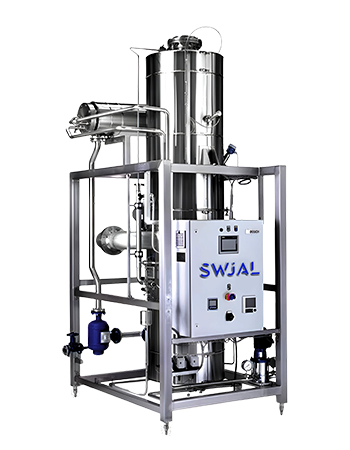
Pure Steam Generator for Pharmaceutial Manufacturing

Applications and Importance

The importance of clean steam in sensitive environments cannot be overstated. In pharmaceutical manufacturing, it is used for sterilizing equipment, vessels, and piping systems. Clean steam also plays a crucial role in autoclaves, where it ensures that medical tools and devices are sterilized effectively. In the food and beverage industry, it is used to ensure the safety and quality of consumable products by preventing contamination during processing.

Clean steam is critical in maintaining a sterile environment, particularly in biotechnology labs and hospitals. By eliminating impurities, clean steam minimizes the risk of contamination, thereby safeguarding products, processes, and human health. The high purity level of clean steam also ensures compliance with global standards such as ISO 22000 and cGMP guidelines.

Key Features

Modern clean steam generators are equipped with advanced features to enhance efficiency and reliability. Systems are constructed with corrosion-resistant materials, such as stainless steel, to maintain the purity of the steam and extend the equipment’s lifespan. Automatic control systems are often integrated to ensure precise temperature and pressure regulation, improving operational efficiency.

The compact design of these systems allows for easy installation and maintenance. With energy efficiency in focus, clean steam generators are engineered to reduce water and power consumption, making them sustainable and cost-effective solutions for various industries. The use of heat exchangers and double-tube sheet designs ensures complete separation of the heating medium from the purified water, further enhancing steam quality.

Types of Clean Steam Generators

Clean steam generators are categorized based on their operating mechanisms and applications. The most common types include electric, gas-fired, and steam-to-steam generators. Electric steam generators are preferred in facilities requiring precise control over steam quality and output. Gas-fired units, on the other hand, are widely used for large-scale operations due to their high capacity and efficiency.

Steam-to-steam generators utilize plant steam as the primary energy source to produce clean steam. These systems are ideal for facilities where plant steam is readily available but does not meet purity standards. Each type of generator is designed to cater to specific operational needs, ensuring that industries can choose systems aligned with their requirements.

Benefits 

The use of clean steam generators offers numerous benefits across industries. Enhanced product quality is achieved by eliminating risks associated with contamination. The equipment also ensures regulatory compliance, helping businesses avoid penalties and maintain certifications. By using purified water, operational costs are reduced due to the extended lifespan of equipment and minimal downtime.

Energy-efficient designs contribute to reduced utility expenses while promoting sustainability. The ability to produce high-quality steam consistently allows businesses to maintain the integrity of their operations, fostering trust and reliability among customers and stakeholders.

Factors to Consider When Selecting

It is essential to consider factors such as capacity, material construction, and energy efficiency. The generator must be capable of meeting the specific steam demands of the facility. The choice of materials should prioritize corrosion resistance and durability, ensuring long-term reliability. Additionally, systems with advanced automation and monitoring features provide enhanced control and safety.

Maintenance requirements and after-sales support are critical aspects that should not be overlooked. Choosing a manufacturer that offers comprehensive support services ensures that the system operates optimally throughout its lifespan. Proper planning and assessment of operational needs will help in selecting a clean steam generator that aligns with business objectives.

Conclusion

Clean steam generators are indispensable for industries where sterility and high-quality standards are paramount. These systems ensure safe, efficient, and sustainable operations by producing pure steam free from contaminants. Their applications span a wide range of industries, including pharmaceuticals, biotechnology, food processing, and healthcare, highlighting their versatility and importance.

For state-of-the-art clean steam generator systems, Swjal Process is a leading manufacturer in India, offering innovative solutions tailored to industry needs. Their commitment to quality and excellence ensures that businesses can achieve superior performance and compliance with global standards.

Industrial RO Plant Essential Solutions for High-Purity Water

An Industrial RO Plant plays a critical role in ensuring water purity and meeting diverse industrial demands. Water purification has become an indispensable part of industrial processes in today’s world. With increasing awareness about water conservation and stringent quality requirements, industries are turning to advanced technologies like Reverse Osmosis (RO) for their water treatment needs. 

What is an Industrial RO Plant?

It is a specialized water treatment system designed to remove impurities, contaminants, and dissolved salts from water using the reverse osmosis process. This system operates by applying high pressure to a semi-permeable membrane, which selectively allows water molecules to pass through while rejecting impurities like heavy metals, microorganisms, and dissolved salts. The result is highly purified water suitable for various industrial applications.

Industrial RO Plants are used extensively across sectors such as pharmaceuticals, power generation, food and beverage, chemical processing, and more. They are highly versatile and can be customized to meet specific requirements, making them an essential component of industrial water treatment infrastructure.

Industrial RO Plant

Key Components 

An Industrial RO Plant typically consists of the following components:

  1. Pre-treatment System: This stage includes filtration processes such as sand filters, activated carbon filters, and softeners to remove large particles, chlorine, and hardness from the raw water.

  2. High-Pressure Pump: The pump generates the pressure needed to drive water through the RO membrane, ensuring efficient separation of impurities.

  3. RO Membrane: The core component of the system, the RO membrane, filters out contaminants and dissolved solids, providing purified water.

  4. Post-treatment System: This includes processes such as UV disinfection or chemical dosing to enhance water quality further and ensure it meets the desired standards.

  5. Control Panel: A user-friendly control panel helps monitor and manage the system's operations, ensuring optimal performance.

Benefits 

  1. High-Purity Water: These systems remove up to 99% of dissolved solids, contaminants, and microorganisms, ensuring high-quality water for industrial use.

  2. Cost-Effective: It reduce dependency on external water sources and minimize wastewater, leading to significant cost savings.

  3. Environmental Sustainability: By reducing wastewater generation and optimizing resource usage, these systems promote environmentally responsible operations.

  4. Customizable Design: It can be tailored to meet specific industrial requirements, making them suitable for a wide range of applications.

  5. Easy Maintenance: Modern RO systems are designed for ease of maintenance, ensuring consistent performance and reliability.

Applications 

They are widely used in various industries, including:

  1. Pharmaceuticals: Ensuring high-purity water for drug manufacturing and laboratory processes.

  2. Food & Beverage: Providing purified water for processing, cleaning, and packaging.

  3. Power Plants: Supplying boiler feed water to prevent scaling and corrosion.

  4. Chemical Manufacturing: Delivering water of precise quality for chemical formulations.

  5. Textile Industry: Treating water for dyeing, washing, and other processes.

Maintenance and Operational Efficiency

Key maintenance practices include:

  1. Membrane Cleaning: Periodic cleaning of membranes to prevent fouling and scaling.

  2. Filter Replacement: Timely replacement of pre-treatment filters to maintain water quality.

  3. System Inspection: Regular checks of pumps, valves, and other components to identify potential issues.

  4. Water Quality Monitoring: Continuous monitoring of water output to ensure it meets the required standards.

Why Choose Industrial RO Plants?

They are not just water treatment systems; they are investments in efficiency, sustainability, and quality. These plants help industries meet regulatory requirements, reduce operational costs, and contribute to environmental conservation. Their ability to provide reliable, high-purity water makes them indispensable for modern industrial operations.

In conclusion, the it is a cornerstone of industrial water treatment, offering unmatched reliability and performance. For industries seeking efficient and sustainable water solutions, investing in a high-quality RO system is a step towards excellence.

SWJAL PROCESS is a leading Industrial RO Plant manufacturer in India, providing advanced water treatment solutions tailored to meet the unique needs of diverse industries.

Types of Mixing Tanks with Agitator and Their Uses

Introduction Mixing tanks with agitators are essential equipment used across industries like pharmaceuticals, chemicals, and food & bev...